La Superba: Mistress of the Seas
Every corner of Genoa tells the story of merchants, crusaders, and explorers who shaped the Mediterranean world.
Table of Contents
Origins of the Port City
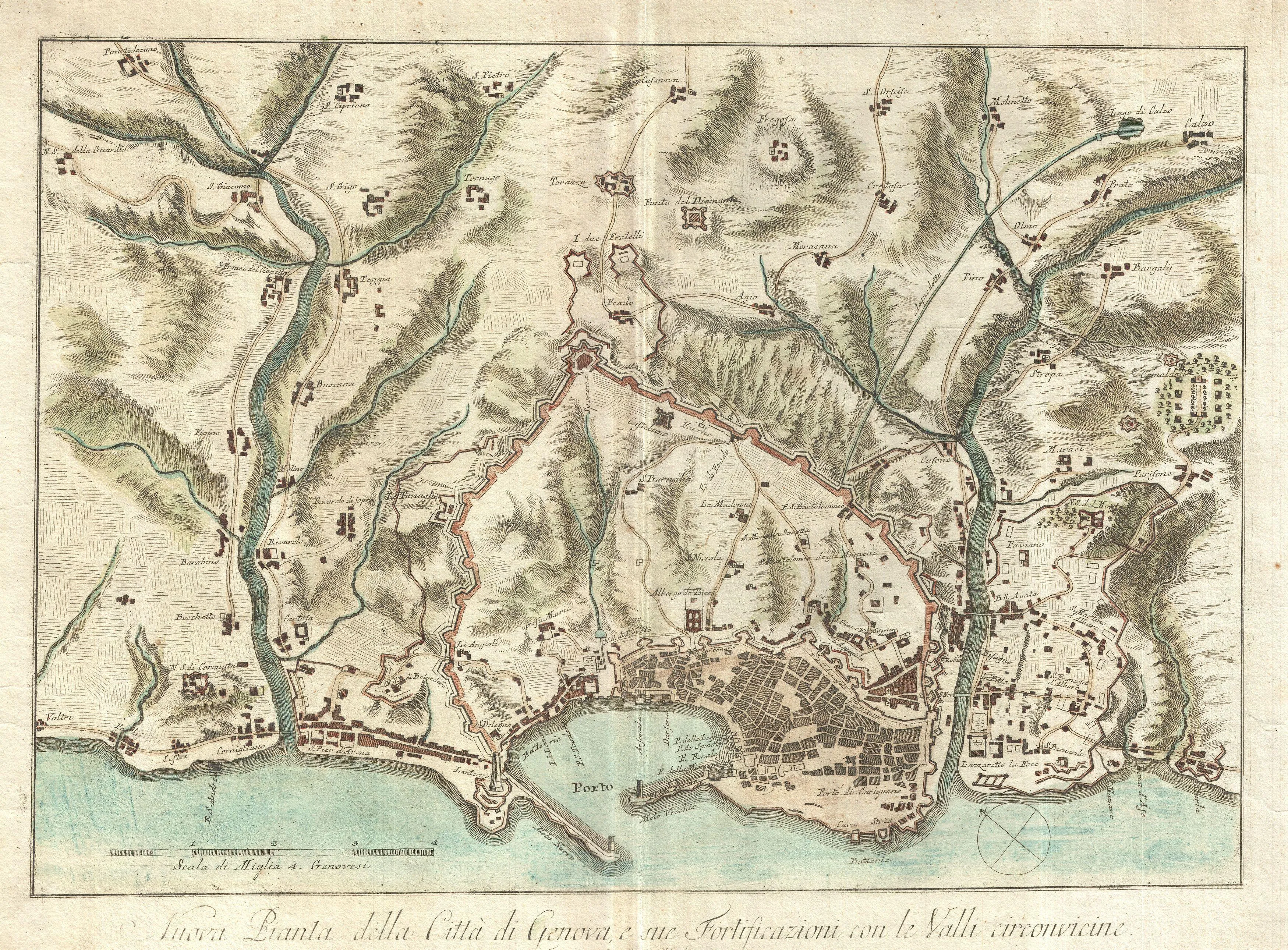
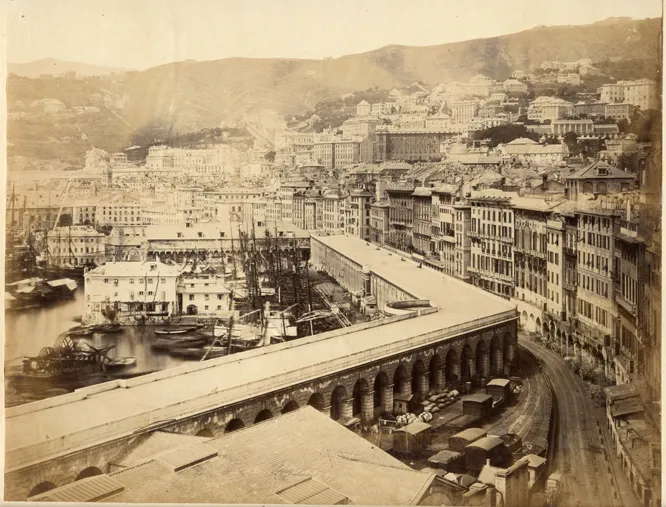
Genoa's destiny has always been written in the water. Settled by the ancient Ligurians and later an important Roman oppidum, the city grew around its natural harbor—the Mandraccio. From the bus, as you skirt the waterfront, remember that this very arc of coastline has been a landing point for Greek traders, Etruscans, and Roman legions for over two millennia.
The deep waters allowed ships to dock safely, turning Genoa into a maritime powerhouse by the early Middle Ages. The city developed inward and upward from the port, creating the dense, protective layout you still see today. Every stone near the harbor has witnessed the departure of Crusader fleets and the arrival of precious cargos from the East.
The Medieval Labyrinth: Caruggi
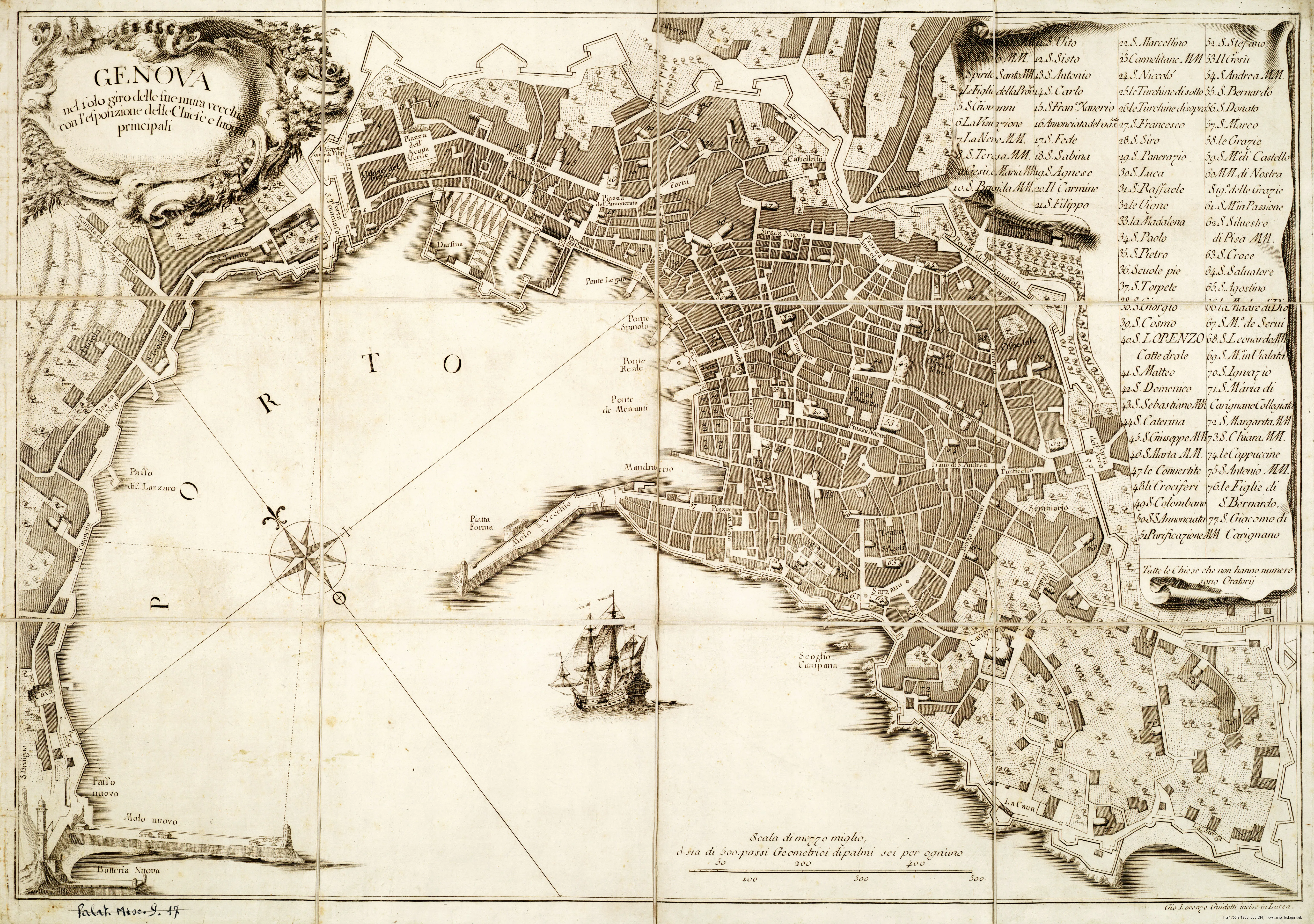
One of the most striking things you'll pass—and should definitely hop off to explore—is the vast historic center, one of the largest in Europe. It is a maze of 'caruggi' (narrow alleys) and 'creuze' (brick paths leading up the hills). These streets were intentionally built narrow to confusing invaders and to provide shade during the hot summers.
From the open top of the bus, you often look down into these shadowed canyons of history. Hidden within them are Romanesque churches like San Donato and Santa Maria di Castello, and tiny squares that suddenly open up to the sky. It's a world where sunlight struggles to reach the pavement, preserving a medieval atmosphere that is unique to Genoa.
The Golden Age & The Bankers
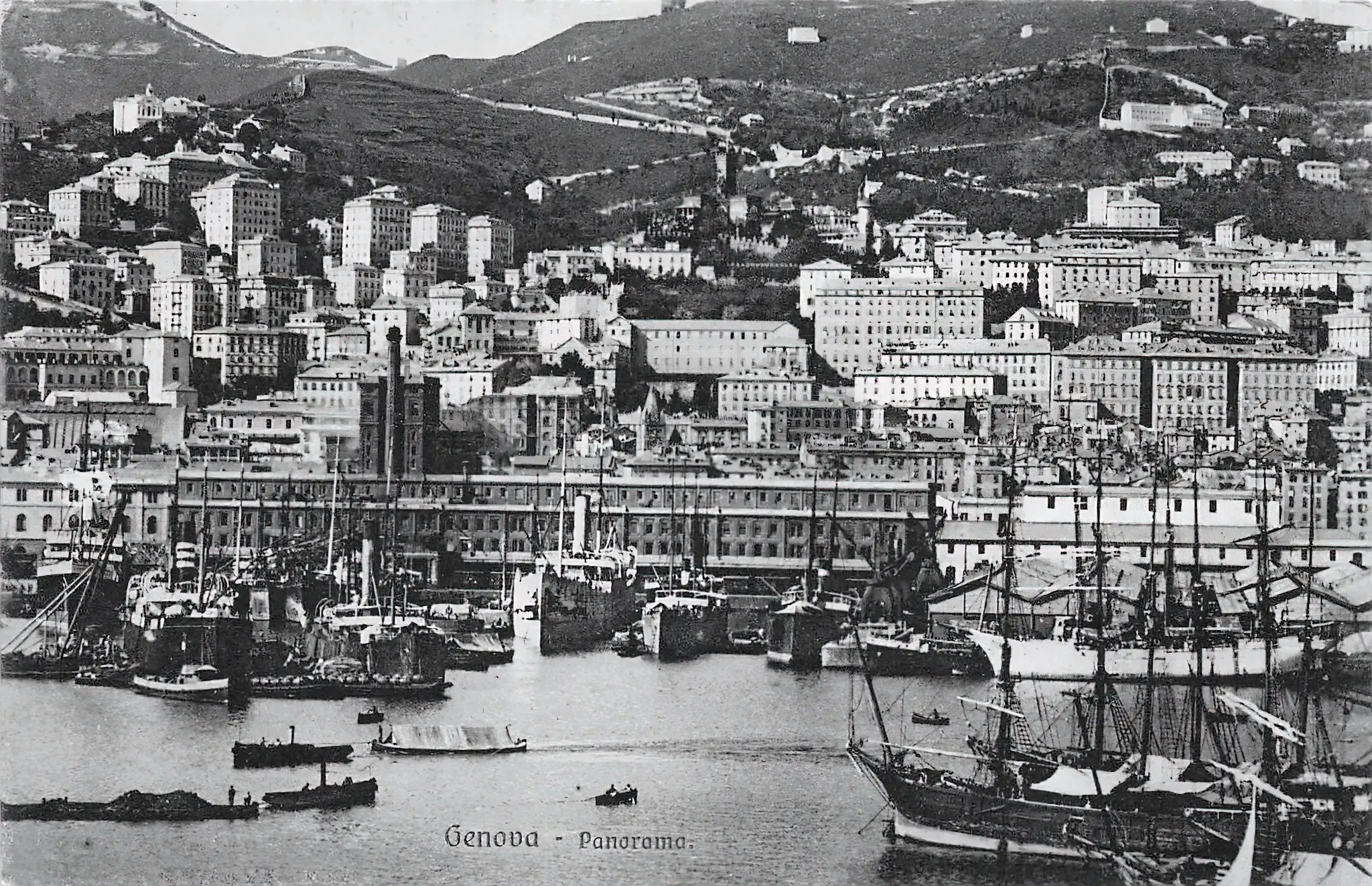
In the 16th and 17th centuries, Genoa was arguably the richest city in the world. This was the 'Century of the Genoese.' Its bankers funded the Spanish Crown and shaped the economy of Europe. This immense wealth wasn't hidden; it was displayed in the spectacular architecture that lines the bus route.
As you drive through the newer thoroughfares, imagine the days when Genoese currency changed hands in London, Seville, and Antwerp. The city was so wealthy that the aristocracy transformed the urban landscape, building vertical palaces that defied the lack of space, adorned with frescoes that created illusions of gardens and grandeur where there was only stone.
The Palazzi dei Rolli (UNESCO)
The crown jewel of your tour is Via Garibaldi (formerly Strada Nuova). This street is the core of the UNESCO World Heritage site known as the 'Palazzi dei Rolli.' In the Republic of Genoa, there was no royal court; instead, the city kept a list ('rolli') of noble palaces eligible to host visiting cardinals, princes, and ambassadors.
The bus takes you right past these architectural marvels—Palazzo Rosso, Palazzo Bianco, and Palazzo Tursi. The facades are breathtaking, but the interiors are even richer, housing works by Van Dyck, Rubens, and Caravaggio. Hopping off here allows you to step into the private lives of the merchant princes who once ruled the waves.
Christopher Columbus & The Explorers
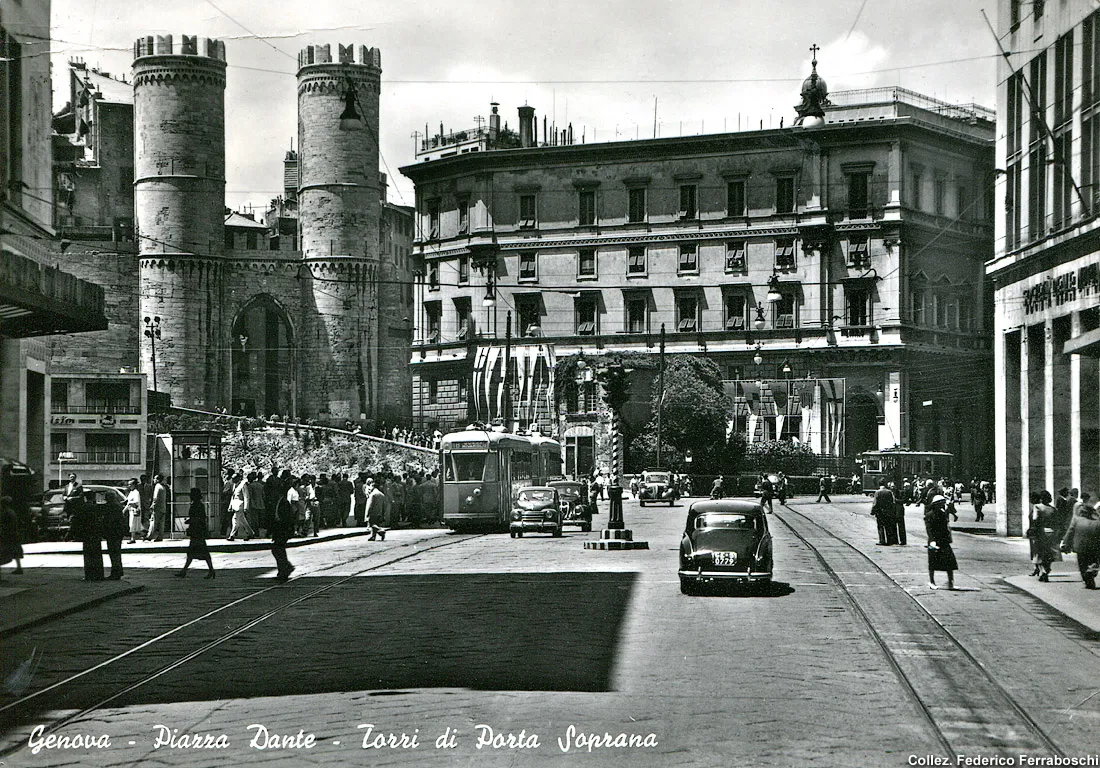
Genoa cannot be separated from its most famous son, Christoffa Corombo—better known as Christopher Columbus. Near the Piazza De Ferrari stop, you can see the 19th-century reconstruction of his childhood home, standing in the shadow of the impressive Porta Soprana city gates. Whether viewed as a hero or a complex historical figure, his journey changed the world forever.
But Columbus wasn't alone. Genoese admirals like Andrea Doria were legendary. The bus route passes the Piazza del Principe area, dominated by the Villa del Principe, Andrea Doria's seaside palace. It was from here that the Admiral commanded the fleets that protected the Mediterranean from piracy and projected Genoese power.
The Fortress City
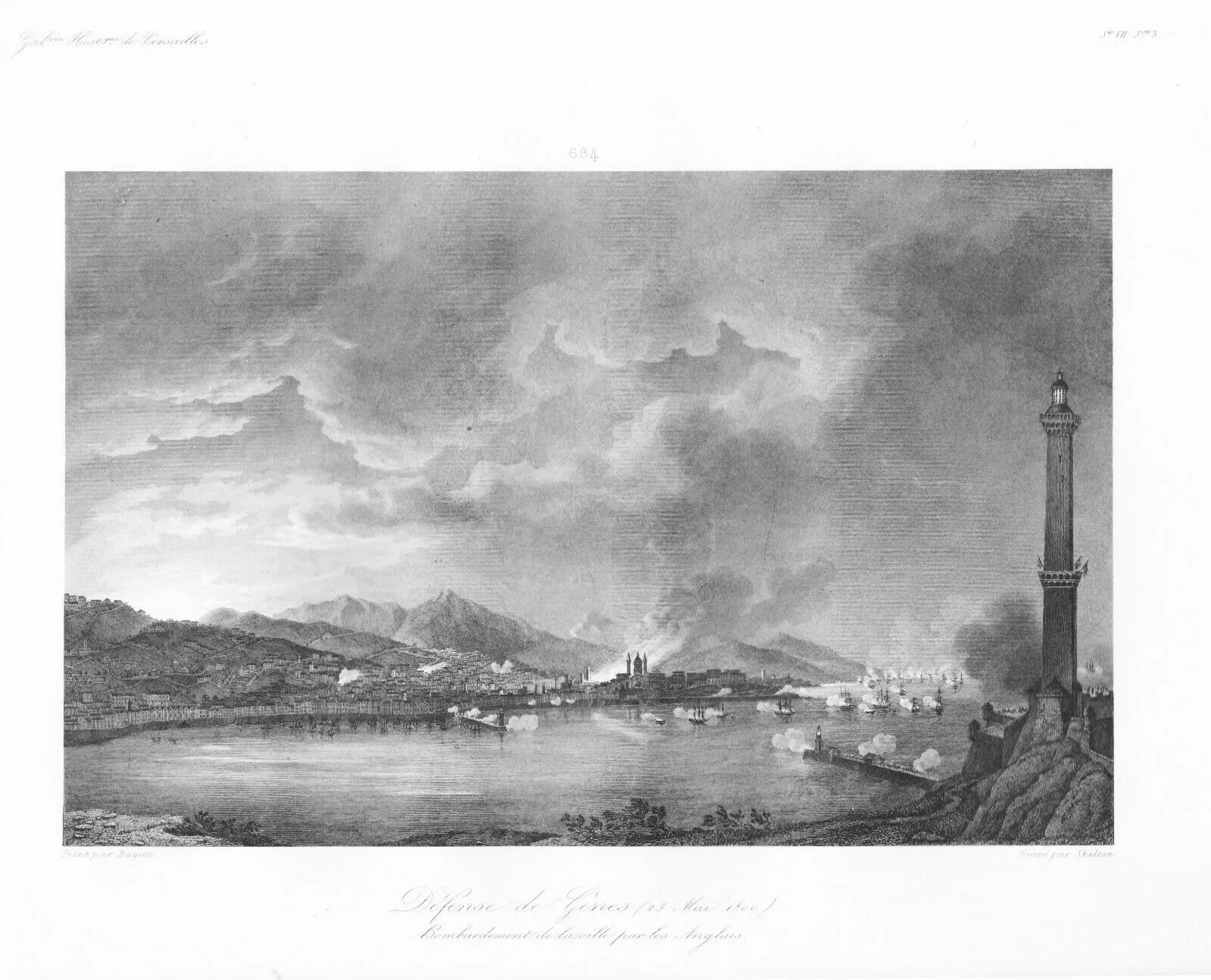
Genoa has always had to defend itself. Looking up towards the hills from the bus, you might spot the outlines of massive fortresses—the Mura Nuove (New Walls)—that encircle the city. Built in the 17th century, this is the longest city wall in Europe after the Great Wall of China, a testament to the city's strategic importance.
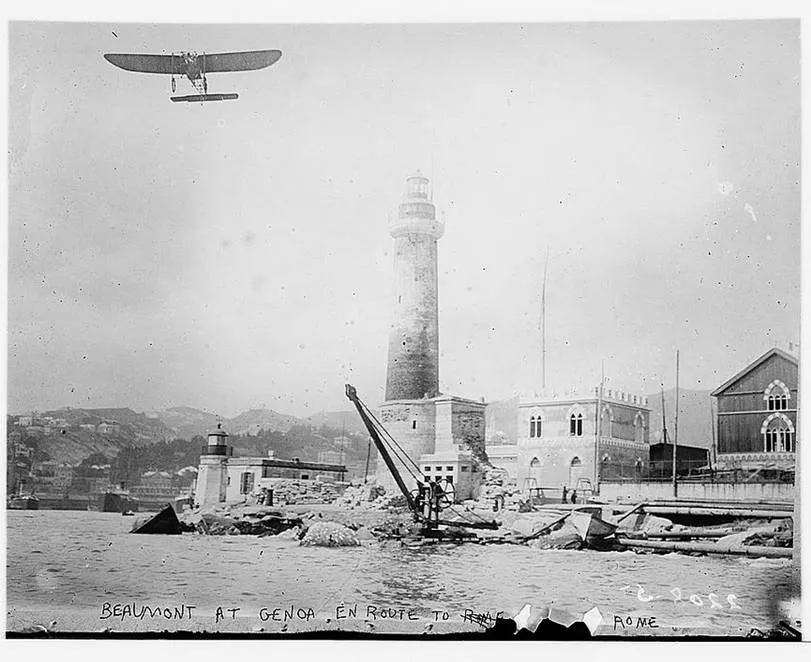
On the waterfront, the Lanterna stands as the symbol of the city. At 76 meters tall, it is the world's third-oldest lighthouse still in operation. It has guided sailors home since 1128. While the bus doesn't drive up the lighthouse, it offers excellent views of this imposing beacon that once marked the absolute edge of the known city.
19th Century Expansion
As the Republic fell and the modern era began, Genoa expanded beyond its medieval core. The bus passes through Piazza della Vittoria, dominated by a massive Triumphal Arch dedicated to the fallen of World War I. This area represents the rationalist and grand urban planning of the 19th and 20th centuries.
Wide avenues like Via XX Settembre (which you can walk down after hopping off at De Ferrari) showcase Liberty-style architecture (Italian Art Nouveau) and bustling arcades. This contrast between the tight medieval alleys and the wide, majestic avenues makes the bus ride visually dynamic and constantly changing.
Piazza De Ferrari: The Modern Heart
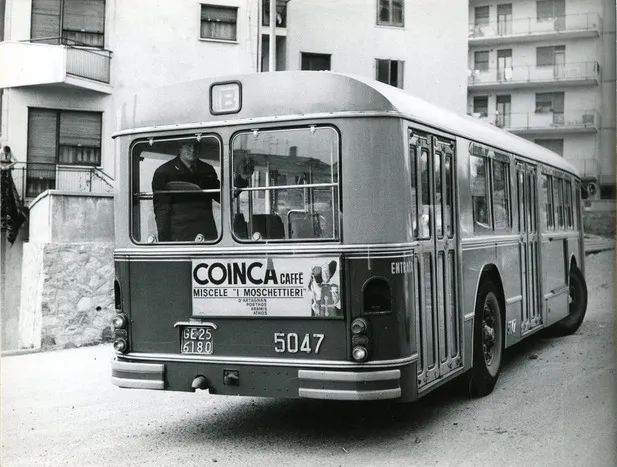
The tour revolves around Piazza De Ferrari, the main meeting place for locals. Dominated by a magnificent bronze fountain that splashes spectacularly in the sunlight, the square is framed by the Carlo Felice Opera House, the Stock Exchange, and the Ducal Palace (Palazzo Ducale).
The Palazzo Ducale was once the seat of the Doge of Genoa. Today, it is a cultural center hosting major art exhibitions. From the bus, you get a clean view of the interaction between the varying architectural styles that border this grand piazza, from Neo-Baroque to Rationalist.
The Port's Decline and Rebirth
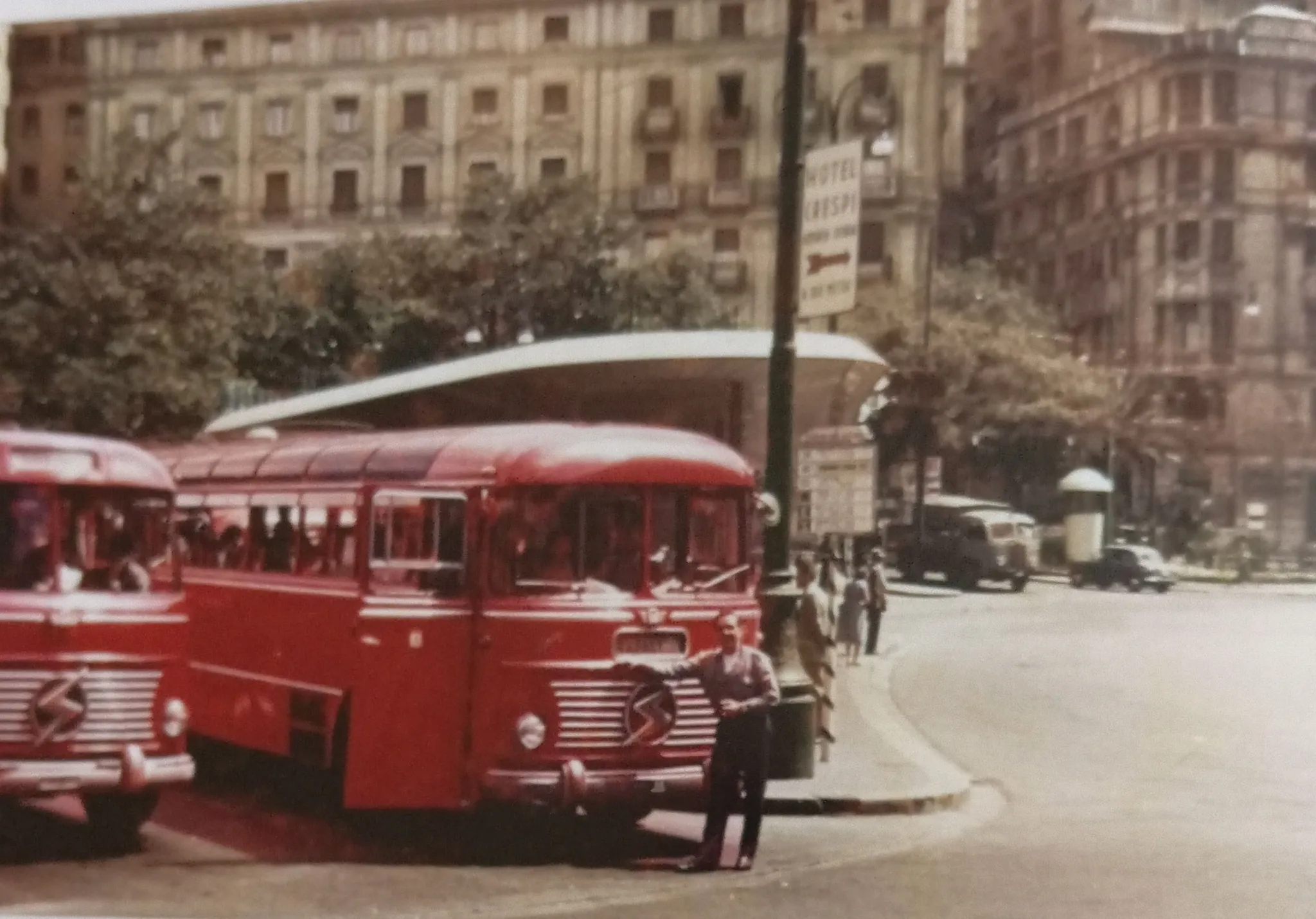
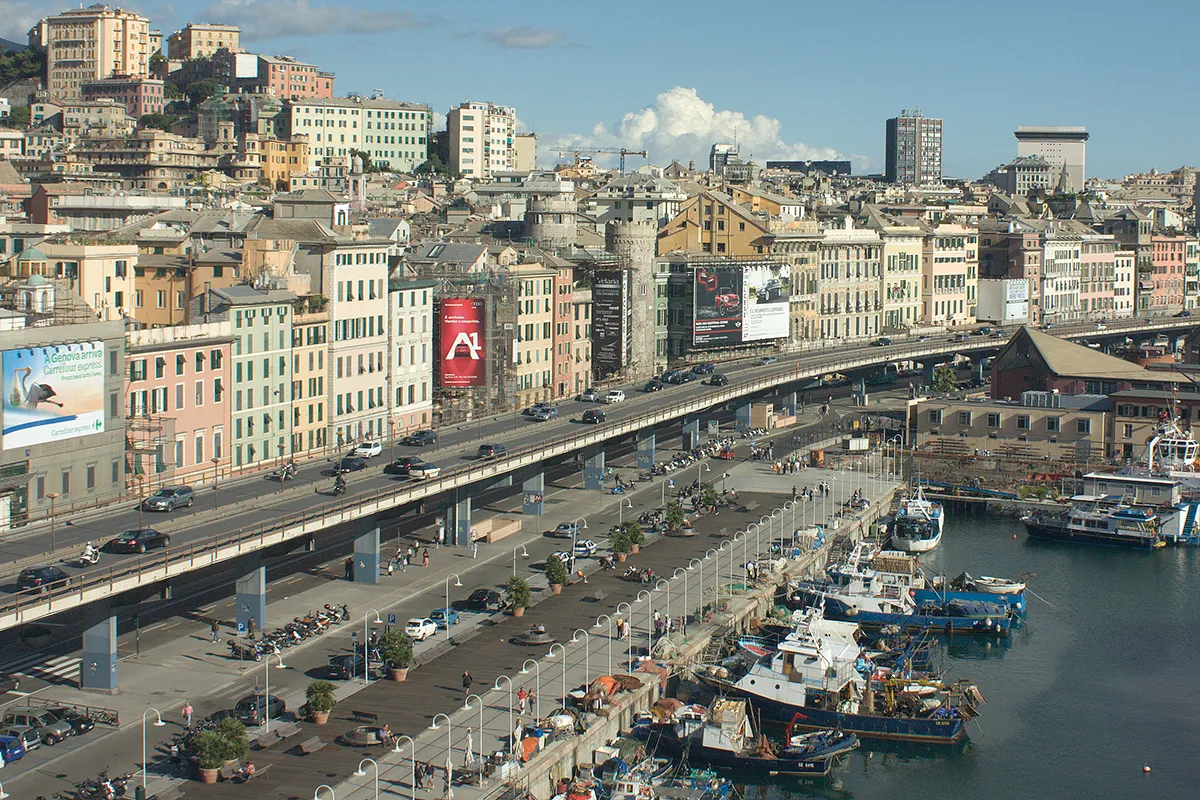
By the mid-20th century, the old port had become run-down and disconnected from the city. The turning point came in 1992, with the Columbus quincentenary celebrations. Architect Renzo Piano, a native Genoese, reimagined the Porto Antico, tearing down barriers and reconnecting the city to the sea.
Your bus ride along the harbor showcases this transformation. You see the Aquarium, the Biosphere (a glass bubble housing a tropical forest), and the Bigo (a panoramic lift inspired by ship cranes). This revitalization has turned a once-gritty industrial zone into the vibrant living room of the city.
Architecture: Vertical & Painted
Keep your eyes on the facades of the buildings as you ride. You'll notice a peculiar Genoese tradition: trompe-l'œil painting. Many 'windows,' 'columns,' and 'statues' are actually painted on flat walls. This technique was used to add grandeur without the cost of marble, and it remains a signature charm of the region.
The verticality is also stunning. Genoa is squeezed between mountains and sea, forcing it to build up. From the bus, you often see buildings that are 7 or 8 stories high on one side, but whose top floor opens directly onto a street on the hill behind it—a topographical puzzle that never ceases to amaze visitors.
Genoa's Cuisine on the Go
You can't talk about Genoa without mentioning food. As you pass the bakeries (focaccerie), imagine the smell of freshly baked focaccia hitting the air. This isn't just bread; it's a way of life here, eaten dipped in cappuccino for breakfast or with a glass of white wine as an aperitivo.
The bus takes you near the Mercato Orientale, a food market exploding with the green of fresh basil—the key ingredient for Pesto Genovese. While you can't eat on the bus, spotting the best-looking focacceria to return to later is a legitimate strategy for any passenger!
Famous Genoese
Beyond Columbus and Doria, Genoa is the birthplace of Giuseppe Mazzini, a father of modern Italy, and the virtuoso violinist Niccolò Paganini. Paganini's violin, 'Il Cannone,' is still kept in Palazzo Tursi on Via Garibaldi. The city has also bred modern songwriters like Fabrizio De André, who sang the poetry of the caruggi.
As you traverse the city, you are crossing the paths of these figures who found inspiration in the complexity, grime, and glory of Genoa. Their names adorn the squares and streets you travel along, anchoring the tour in deep cultural heritage.
The Contemporary City
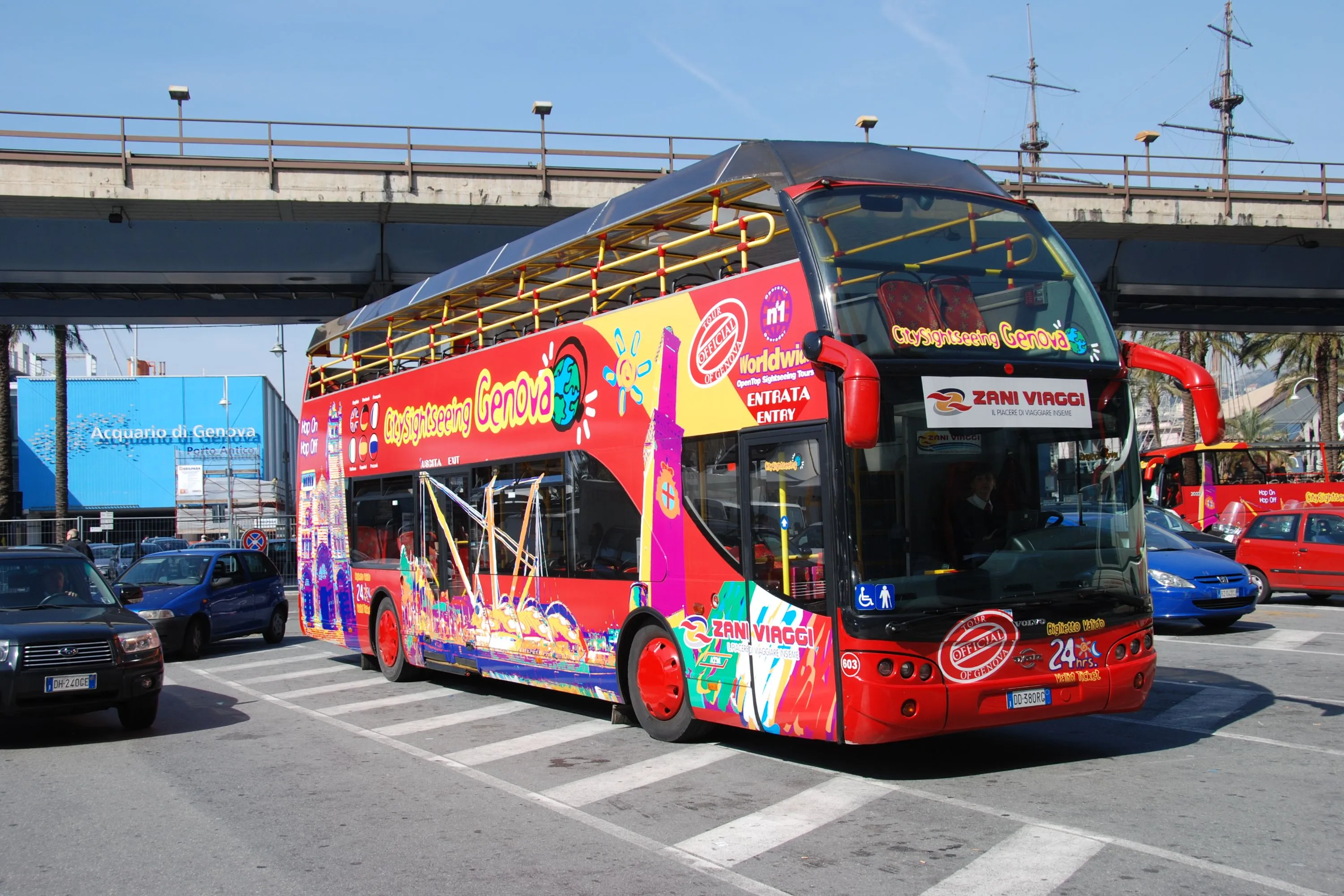
Today, Genoa is arguably the most authentic major tourist city in Italy. It hasn't been turned into a theme park; it remains a working port and a busy metropolis. The hop-on hop-off bus passes busy students, dockworkers, and business people, giving you a glimpse of real Italian life.
From the high-tech IIT (Italian Institute of Technology) to the bustling cruise terminal entertaining millions of passengers, Genoa is looking forward. Your ticket isn't just a pass to the past, but a front-row seat to a city that is constantly reinventing itself while holding tight to its maritime soul.
Table of Contents
Origins of the Port City
Genoa's destiny has always been written in the water. Settled by the ancient Ligurians and later an important Roman oppidum, the city grew around its natural harbor—the Mandraccio. From the bus, as you skirt the waterfront, remember that this very arc of coastline has been a landing point for Greek traders, Etruscans, and Roman legions for over two millennia.
The deep waters allowed ships to dock safely, turning Genoa into a maritime powerhouse by the early Middle Ages. The city developed inward and upward from the port, creating the dense, protective layout you still see today. Every stone near the harbor has witnessed the departure of Crusader fleets and the arrival of precious cargos from the East.
The Medieval Labyrinth: Caruggi
One of the most striking things you'll pass—and should definitely hop off to explore—is the vast historic center, one of the largest in Europe. It is a maze of 'caruggi' (narrow alleys) and 'creuze' (brick paths leading up the hills). These streets were intentionally built narrow to confusing invaders and to provide shade during the hot summers.
From the open top of the bus, you often look down into these shadowed canyons of history. Hidden within them are Romanesque churches like San Donato and Santa Maria di Castello, and tiny squares that suddenly open up to the sky. It's a world where sunlight struggles to reach the pavement, preserving a medieval atmosphere that is unique to Genoa.
The Golden Age & The Bankers
In the 16th and 17th centuries, Genoa was arguably the richest city in the world. This was the 'Century of the Genoese.' Its bankers funded the Spanish Crown and shaped the economy of Europe. This immense wealth wasn't hidden; it was displayed in the spectacular architecture that lines the bus route.
As you drive through the newer thoroughfares, imagine the days when Genoese currency changed hands in London, Seville, and Antwerp. The city was so wealthy that the aristocracy transformed the urban landscape, building vertical palaces that defied the lack of space, adorned with frescoes that created illusions of gardens and grandeur where there was only stone.
The Palazzi dei Rolli (UNESCO)
The crown jewel of your tour is Via Garibaldi (formerly Strada Nuova). This street is the core of the UNESCO World Heritage site known as the 'Palazzi dei Rolli.' In the Republic of Genoa, there was no royal court; instead, the city kept a list ('rolli') of noble palaces eligible to host visiting cardinals, princes, and ambassadors.
The bus takes you right past these architectural marvels—Palazzo Rosso, Palazzo Bianco, and Palazzo Tursi. The facades are breathtaking, but the interiors are even richer, housing works by Van Dyck, Rubens, and Caravaggio. Hopping off here allows you to step into the private lives of the merchant princes who once ruled the waves.
Christopher Columbus & The Explorers
Genoa cannot be separated from its most famous son, Christoffa Corombo—better known as Christopher Columbus. Near the Piazza De Ferrari stop, you can see the 19th-century reconstruction of his childhood home, standing in the shadow of the impressive Porta Soprana city gates. Whether viewed as a hero or a complex historical figure, his journey changed the world forever.
But Columbus wasn't alone. Genoese admirals like Andrea Doria were legendary. The bus route passes the Piazza del Principe area, dominated by the Villa del Principe, Andrea Doria's seaside palace. It was from here that the Admiral commanded the fleets that protected the Mediterranean from piracy and projected Genoese power.
The Fortress City
Genoa has always had to defend itself. Looking up towards the hills from the bus, you might spot the outlines of massive fortresses—the Mura Nuove (New Walls)—that encircle the city. Built in the 17th century, this is the longest city wall in Europe after the Great Wall of China, a testament to the city's strategic importance.
On the waterfront, the Lanterna stands as the symbol of the city. At 76 meters tall, it is the world's third-oldest lighthouse still in operation. It has guided sailors home since 1128. While the bus doesn't drive up the lighthouse, it offers excellent views of this imposing beacon that once marked the absolute edge of the known city.
19th Century Expansion
As the Republic fell and the modern era began, Genoa expanded beyond its medieval core. The bus passes through Piazza della Vittoria, dominated by a massive Triumphal Arch dedicated to the fallen of World War I. This area represents the rationalist and grand urban planning of the 19th and 20th centuries.
Wide avenues like Via XX Settembre (which you can walk down after hopping off at De Ferrari) showcase Liberty-style architecture (Italian Art Nouveau) and bustling arcades. This contrast between the tight medieval alleys and the wide, majestic avenues makes the bus ride visually dynamic and constantly changing.
Piazza De Ferrari: The Modern Heart
The tour revolves around Piazza De Ferrari, the main meeting place for locals. Dominated by a magnificent bronze fountain that splashes spectacularly in the sunlight, the square is framed by the Carlo Felice Opera House, the Stock Exchange, and the Ducal Palace (Palazzo Ducale).
The Palazzo Ducale was once the seat of the Doge of Genoa. Today, it is a cultural center hosting major art exhibitions. From the bus, you get a clean view of the interaction between the varying architectural styles that border this grand piazza, from Neo-Baroque to Rationalist.
The Port's Decline and Rebirth
By the mid-20th century, the old port had become run-down and disconnected from the city. The turning point came in 1992, with the Columbus quincentenary celebrations. Architect Renzo Piano, a native Genoese, reimagined the Porto Antico, tearing down barriers and reconnecting the city to the sea.
Your bus ride along the harbor showcases this transformation. You see the Aquarium, the Biosphere (a glass bubble housing a tropical forest), and the Bigo (a panoramic lift inspired by ship cranes). This revitalization has turned a once-gritty industrial zone into the vibrant living room of the city.
Architecture: Vertical & Painted
Keep your eyes on the facades of the buildings as you ride. You'll notice a peculiar Genoese tradition: trompe-l'œil painting. Many 'windows,' 'columns,' and 'statues' are actually painted on flat walls. This technique was used to add grandeur without the cost of marble, and it remains a signature charm of the region.
The verticality is also stunning. Genoa is squeezed between mountains and sea, forcing it to build up. From the bus, you often see buildings that are 7 or 8 stories high on one side, but whose top floor opens directly onto a street on the hill behind it—a topographical puzzle that never ceases to amaze visitors.
Genoa's Cuisine on the Go
You can't talk about Genoa without mentioning food. As you pass the bakeries (focaccerie), imagine the smell of freshly baked focaccia hitting the air. This isn't just bread; it's a way of life here, eaten dipped in cappuccino for breakfast or with a glass of white wine as an aperitivo.
The bus takes you near the Mercato Orientale, a food market exploding with the green of fresh basil—the key ingredient for Pesto Genovese. While you can't eat on the bus, spotting the best-looking focacceria to return to later is a legitimate strategy for any passenger!
Famous Genoese
Beyond Columbus and Doria, Genoa is the birthplace of Giuseppe Mazzini, a father of modern Italy, and the virtuoso violinist Niccolò Paganini. Paganini's violin, 'Il Cannone,' is still kept in Palazzo Tursi on Via Garibaldi. The city has also bred modern songwriters like Fabrizio De André, who sang the poetry of the caruggi.
As you traverse the city, you are crossing the paths of these figures who found inspiration in the complexity, grime, and glory of Genoa. Their names adorn the squares and streets you travel along, anchoring the tour in deep cultural heritage.
The Contemporary City
Today, Genoa is arguably the most authentic major tourist city in Italy. It hasn't been turned into a theme park; it remains a working port and a busy metropolis. The hop-on hop-off bus passes busy students, dockworkers, and business people, giving you a glimpse of real Italian life.
From the high-tech IIT (Italian Institute of Technology) to the bustling cruise terminal entertaining millions of passengers, Genoa is looking forward. Your ticket isn't just a pass to the past, but a front-row seat to a city that is constantly reinventing itself while holding tight to its maritime soul.